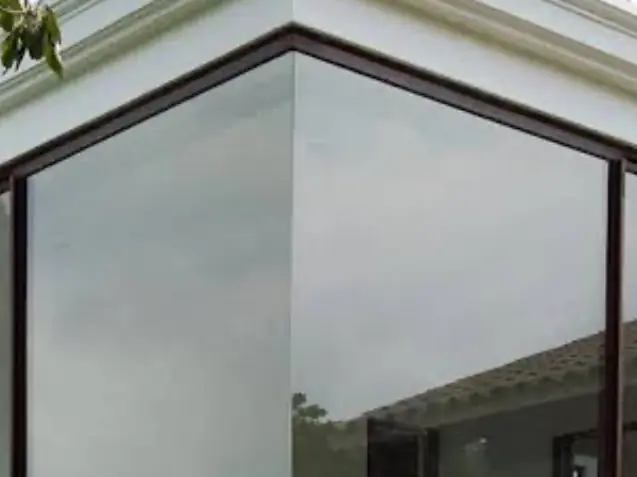
Aluminium is an excellent material for windows and façades: light, strong and corrosion-free. It is also a very good conductor of heat. In a standard aluminium window, the sun's heat travels straight from the outer part of the profile to the inner part, so the frame warms up inside and the air conditioning works harder.
The idea in brief
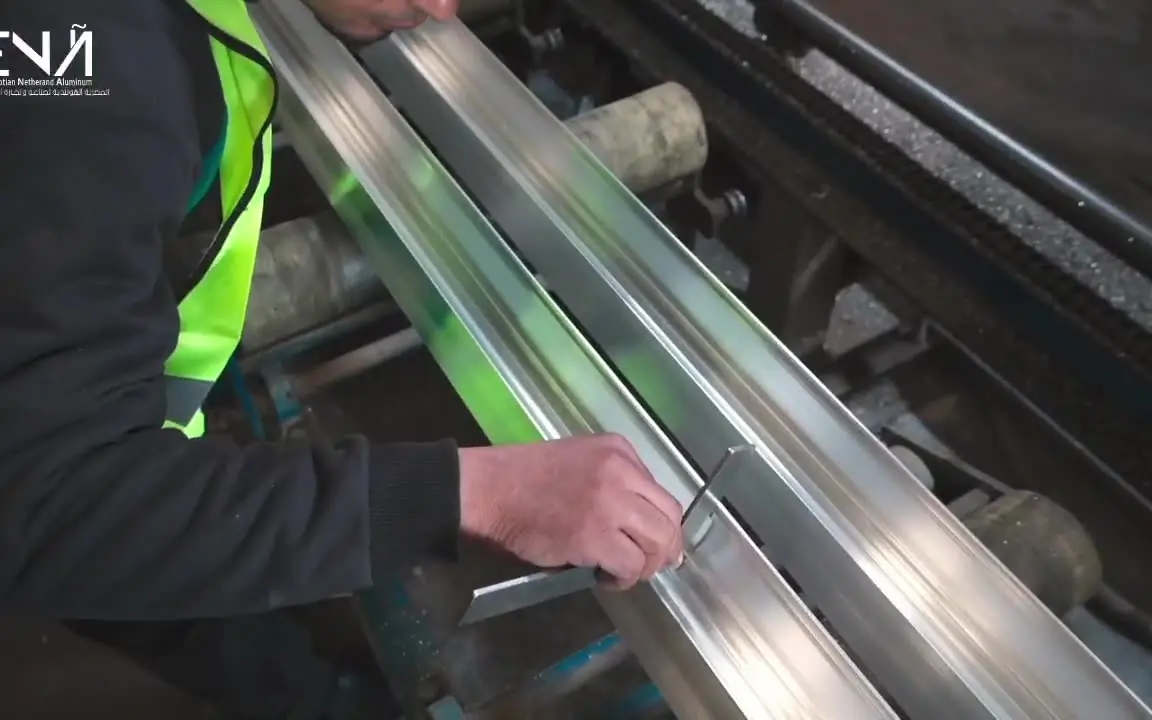
A thermal-break profile is made of two aluminium parts, outer and inner, joined by an insulating polyamide strip (a fibre-reinforced engineering plastic). The strip locks the two parts together mechanically but conducts almost no heat, so it interrupts the path between outside and inside.
What you gain
- Lower cooling and heating use, because the frame is no longer a heat bridge.
- Less condensation: the inner frame does not get as hot or cold, so less moisture forms on it.
- More comfort near windows and large glazed façades.
- Two colours: the outer and inner parts can be finished differently because they are separate pieces.
Is it worth the extra cost?
Thermal-break profiles cost more than standard ones. They usually pay off in buildings cooled all day, large glazed façades, projects targeting energy efficiency or green-building certification, and very hot climates. For simple uses or unconditioned spaces, a standard profile may be enough.
A tip
An insulated frame alone is not enough: pair it with suitable double glazing, good gaskets and proper installation to get the full benefit. Our team can recommend the right thermal-break series for your project.